Design Meets Trade
Architect (Dubai): “Our clients love cool tones and sleek finishes — how can we secure consistent slab colors for a hotel chain project?”
Exporter (China): “We manage full traceability from quarry to shipment, with moisture testing and digital shade calibration to match your design palette perfectly.”
This dialogue captures a growing global partnership. Grey Marble Slabs bridge continents — the artistic vision of European designers, the grandeur of Middle Eastern architecture, and the precision manufacturing expertise of Chinese exporters.
Understanding Grey Marble: From Quarry to Container
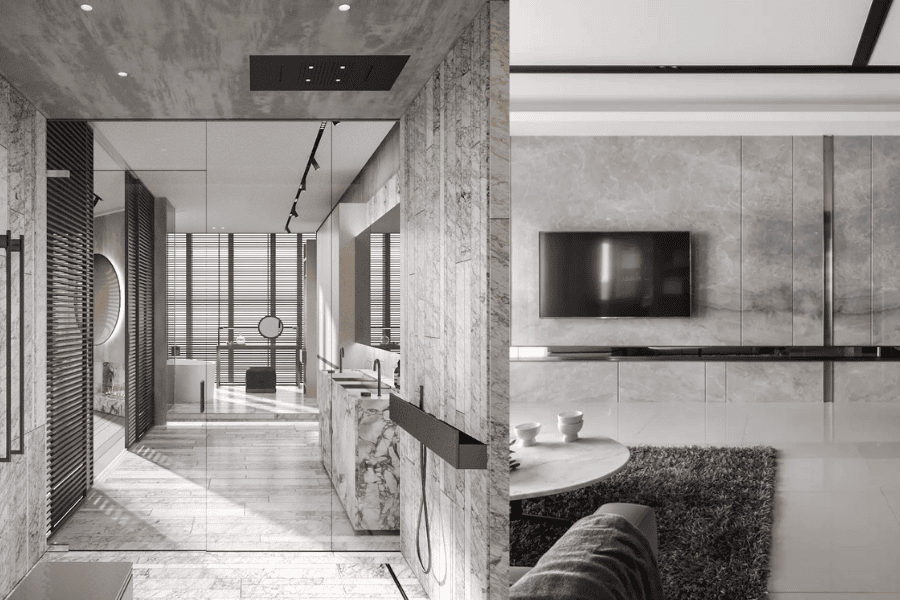
Grey Marble represents balance — neutral yet sophisticated, timeless yet adaptable. It’s extracted from select quarries in China, Italy, and Turkey, with China’s resource diversity offering high flexibility in tone and finish.
Light Grey Marble: cool and minimal, preferred for Scandinavian-style interiors.
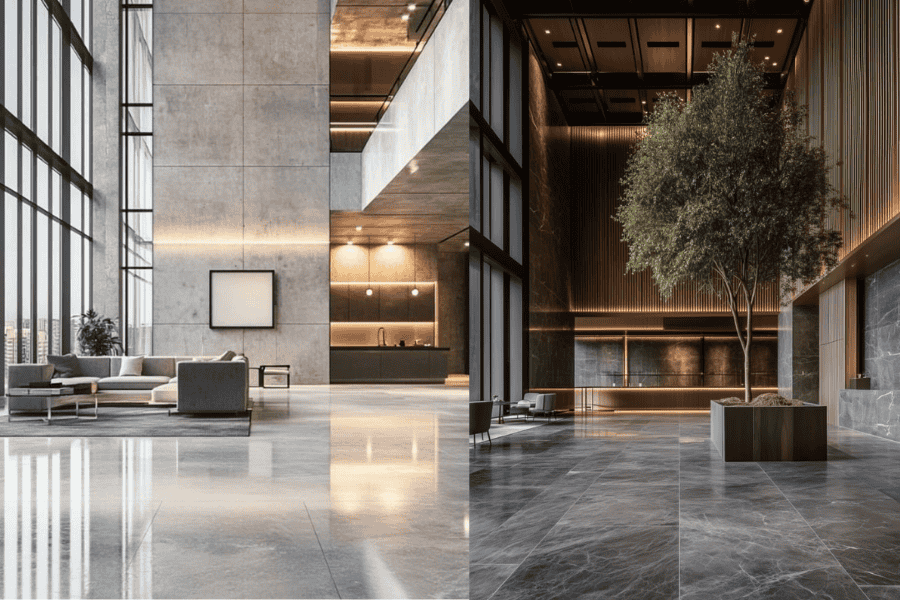
Dark Grey Marble: bold and dramatic, perfect for Middle Eastern hotels or lounges.
Veined Grey Marble: offers movement and depth, widely used in European boutiques and offices.
Why Grey Marble Slabs Dominate Modern Design
-
Cultural Versatility — Grey marble fits both Middle Eastern luxury and European simplicity.
-
Temperature Adaptability — naturally cool underfoot, ideal for hot regions like Dubai, Doha, and Riyadh.
-
Neutral Base for Design — pairs with brass, wood, or glass finishes for limitless creativity.
-
Sustainability & Longevity — low replacement frequency and long lifespan, reducing carbon footprint.
Here’s a concise guide that mirrors the choices favored by designers in the Middle East and Europe:Light to Mid Grey: Ideal for modern, minimalist interiors; examples include Nordic Grey and Noble Grey for a timeless neutral palette.Dark Grey with Bold Veining: Adds drama and depth; popular varieties like Arabescato Grey and Pietra Grey are often used in hotels and luxury boutiques.
Finish Options:
Polished — enhances reflectivity and elegance.
Honed — diffuses light softly for a matte, architectural feel.
Leathered — provides a natural tactile surface with higher slip resistance.
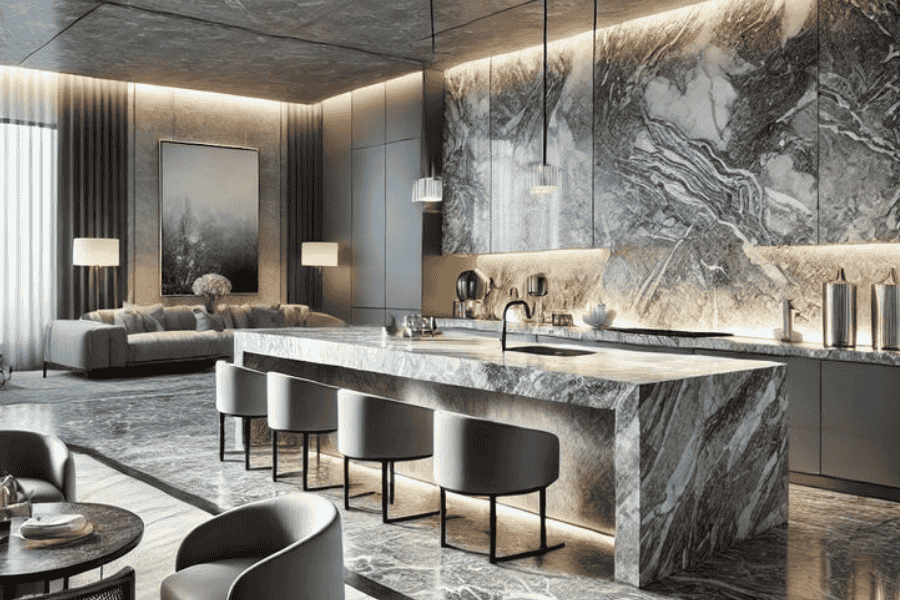
Application Range: From countertops and flooring to wall cladding, grey marble adapts effortlessly to both warm and cool climates.
Top Tips for Importing to the Middle East and Europe
1. Verify Quarry Source and Material Traceability
Request quarry certification and digital photos of the actual slabs before booking. Reliable partners like the best grey marble slabs suppliers from China provide full production transparency.
2. Choose Correct Finishes for Climate
Polished Finish: elegant, reflective, ideal for Europe’s mild interiors.
Honed Finish: matte texture that resists heat reflection, suitable for the Middle East.
Leathered Finish: textured surface for outdoor terraces or humid environments.
3. Mind the Export Documentation
Ensure all slabs include:
Commercial Invoice
Packing List
Certificate of Origin
Fumigation Certificate (ISPM-15)
Quality Inspection Reports
4. Container Loading Tips
Always load slabs vertically on A-frames, with protective foam and plastic layers to prevent movement during sea transport.
5. Understand Regional Preferences
Middle East: favors bolder veins and high-gloss surfaces.
Europe: leans toward subtle shades and honed or satin finishes.
Design Applications of Grey Marble Slabs
Residential Spaces
Perfect for flooring, wall cladding, and kitchen countertops — adding modern calmness and natural refinement.
Commercial Projects
Used in luxury malls, hotel lobbies, and office towers for timeless elegance and durability.
Public & Cultural Spaces
From airports to museums, grey marble delivers a subtle yet monumental aesthetic favored by international architects.
Maintenance and Long-Term Value
Proper care enhances both longevity and investment value:
Clean with pH-neutral detergents only.
Reseal surfaces every 8–12 months to maintain stain resistance.
Avoid acid-based cleaners that can etch the surface.
For exterior installations, apply a UV-protective sealer.
Expert Insight: Building Bridges in Stone Trade
“Grey marble’s rise reflects global design convergence,” says Liam Zhou, an international stone consultant.
“European architects love its subtlety; Middle Eastern developers admire its grandeur. But the real success lies in how efficiently it’s exported — from quarry certification to port documentation. Chinese suppliers now combine technology and craftsmanship to meet both aesthetic and regulatory demands.”
FAQ
1. How to import Grey Marble Slabs from China to the Middle East?
Work with certified suppliers offering inspection reports and ISPM-15 compliant crating. Confirm logistics with sea freight forwarders experienced in GCC customs procedures.
2. What are the top finishes for European interiors?
Europe prefers honed and satin finishes, which highlight subtle veining without excess shine.
3. Are there quality standards for grey marble exports?
Yes. Most suppliers comply with ASTM C503 and EN 1469 standards for dimension stone.
4. How to ensure slab color consistency across large projects?
Request block-based production, digital shade mapping, and video proof during cutting.
5. Which ports are best for export?
Xiamen, Foshan, and Yunfu are leading export hubs with advanced logistics to Jebel Ali, Rotterdam, and Antwerp.
References
-
Natural Stone Institute – “Marble Classification and Finishes”
-
Stone World Magazine – “Global Trends in Grey Marble Applications”
-
EU Building Materials Report 2025
-
GCC Construction Outlook 2024
-
International Marble Exporters Association Data Report
-
CNMIA – “Stone Export Procedures from China”
-
Global Trade Logistics Forum 2024
-
ArchDaily – “Grey in Minimalist Architecture”
-
Design Middle East Journal – “Luxury Interiors and Natural Stone”
-
Forbes Home – “How to Choose Long-Lasting Marble for Modern Homes”
The Global Journey of Grey Marble
As the architectural world becomes increasingly borderless, Grey Marble Slabs symbolize design diplomacy — a fusion of culture, craftsmanship, and commerce. Middle Eastern developers appreciate the stone’s ability to stay cool under intense heat, while European architects celebrate its quiet luxury. The import journey, however, is about more than shipping — it’s about trust, precision, and consistent communication between supplier and buyer.
From digital quality control to eco-conscious crating and moisture testing, modern exporters have elevated marble from a raw product into a curated design material. As a result, importing marble today is no longer just about logistics; it’s about preserving artistry across continents — from the quarry hills of China to the marble-clad halls of Dubai and Milan.
“Importing marble is not just logistics — it’s a dialogue between design and durability,” explains Liam Chen, a senior stone procurement consultant. “European buyers emphasize texture harmony, while Middle Eastern developers focus on heat tolerance and shine. The key is understanding both markets and aligning production accordingly.”
Modern exporters now integrate digital shade matching, automated cutting, and AI-based defect scanning to ensure every shipment meets international design standards. As a result, Grey Marble Slabs have evolved from natural resources into global design assets — bringing elegance from the quarries of China to the interiors of Dubai, Paris, and Rome.