Quick Summary:
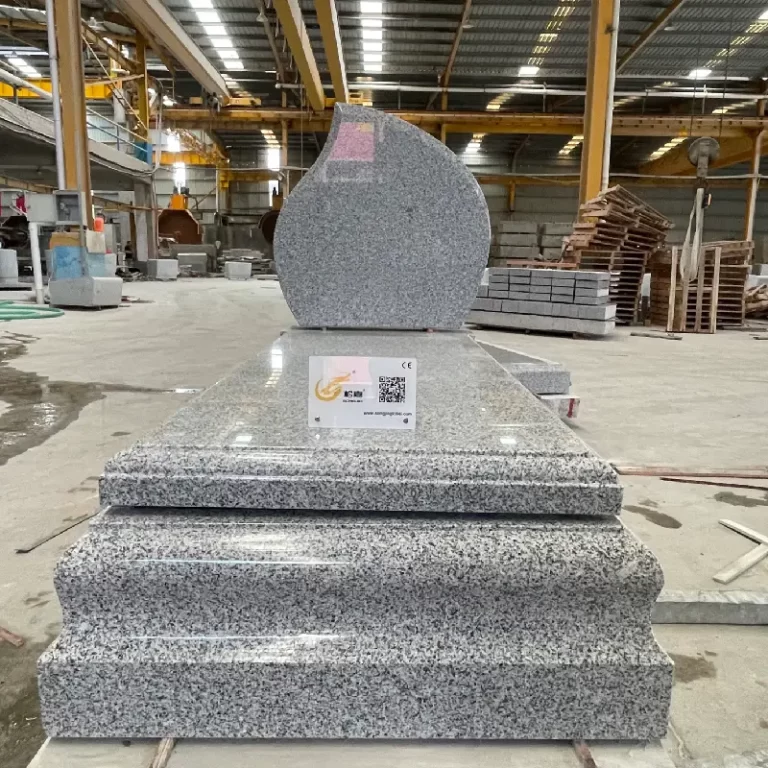
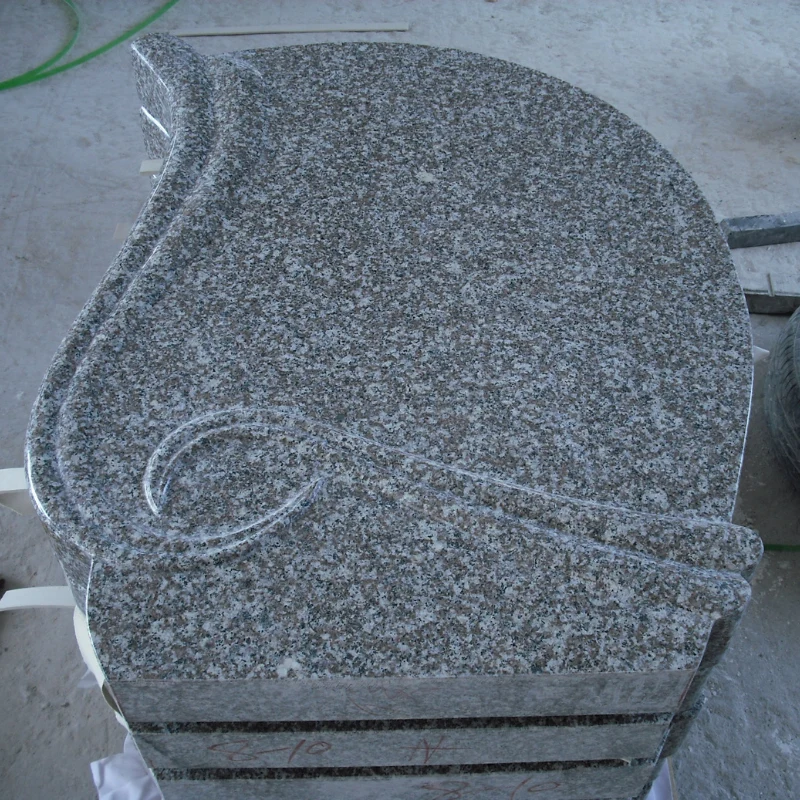
G664 Headstone with Carved Wave is a Poland-style upright headstone produced from G664 pink granite, featuring a refined wave carving that introduces soft movement and a modern memorial touch while keeping a clean polished inscription area for clear lettering. Supplied as a freestanding monument set (headstone + base) with controlled joint tolerance, stable geometry, and consistent finishing so the carved wave reads crisp and balanced. Designed for repeatable cemetery-program supply and export-grade packing to reduce damage risk and support efficient installation.
G664 Headstone with Carved Wave
G664 Headstone with Carved Wave – A Gentle Wave Motif on Warm Pink Granite for a Calm, Modern Polish Memorial
In Poland’s memorial market, families increasingly ask for designs that feel personal and modern while still respecting cemetery traditions. A wave motif is a subtle way to express that balance. Unlike heavy ornamentation, a carved wave introduces calm movement and softness—often interpreted as continuity, peace, and an ongoing bond—while keeping the monument structured and dignified. The G664 Headstone with Carved Wave is designed exactly for this purpose: a Poland-style upright headstone with a stable base and a clean inscription space, enhanced by a refined wave carving that adds identity without distracting from the name and dates.
Material choice shapes the emotional tone. G664 is a pink granite with warm, friendly character, commonly chosen when families want a memorial that feels gentle in an outdoor landscape setting. Pink granite can soften the overall impression compared with black or dark grey stones, while still delivering the permanence and durability expected for long-term cemetery use. For dealers and distributors, G664 remains a practical program material: widely accepted, repeatable for replenishment, and suitable for both mainstream and slightly upgraded catalog designs. When combined with a wave motif, it becomes an attractive “modern classic” option—simple enough for broad acceptance, but distinctive enough to stand out in a showroom.
A wave carving requires disciplined workmanship to look premium. The carving must be smooth, consistent in depth, and visually balanced, with clean transitions that read clearly in daylight. If the carving is uneven or tool marks are visible, the wave can look rough rather than calm. Professional production focuses on template control, depth consistency, and finishing steps that remove tool chatter while keeping crisp edges where needed. The inscription area remains the functional center of the monument, so design must preserve a clean polished space for lettering, ensuring readability and easy cleaning without visual “noise.”
From a buyer’s perspective, reliability is still decisive. The headstone-to-base joint must fit cleanly; contact surfaces must be flat; edges must be eased to resist chipping; and export packing must protect both the polished face and the carved area. Export-grade crating with surface separation, reinforced corner protection, stable internal bracing, and clear labeling reduces damage risk and helps installation teams work efficiently. When these fundamentals are controlled, the G664 carved wave model becomes a dependable, repeatable product for Polish dealers—meaningful in design, stable in quality, and consistent for ongoing supply.
Internal Link Placeholder: View more designs in our
Tombstone & Headstone Series
(replace with your real URL).
Material & Finish Standards: Pink Tone Range, Wave Carving Smoothness, and Polished Readability
For G664 pink granite, the first standard is tone consistency. Natural pink granite can vary slightly by block and batch, and a wave-carved design will highlight those differences if headstone and base do not match. Program buyers should lock an approved reference sample or reference photos with an agreed acceptable tone range. This supports catalog stability and reduces mismatch issues when dealers install new units near older ones or replenish the same model over time.
The second standard is wave carving quality. A premium wave motif should show smooth curves, consistent depth, clean transitions, and minimal tool marks. The carving must look calm and intentional rather than rough. If paint filling or highlighting is required, the carving geometry should support clean filling and easy maintenance. The inscription face is commonly polished for clear lettering and cleaning convenience; polish must be even—no haze, swirl marks, patchy gloss, sanding shadows, or visible tool lines. Edge finishing should be consistent with proper easing to reduce chipping risk while preserving crisp lines that make the monument look professional.
Set-level QC should verify headstone-to-base joint fit, flat contact surfaces, alignment, and correct labeling before packing.
Usages & Project Applications
The G664 Headstone with Carved Wave is supplied for Polish cemetery programs and Central/Eastern European memorial markets where upright headstones remain mainstream and families increasingly request modern, softer motifs. It is used as a freestanding headstone set with a stable base, combining a polished inscription area with a wave carving that adds subtle design identity and gentle emotion. This model supports standard name/date layouts and can be adapted for extended inscriptions where cemetery rules allow. The warm pink tone helps the memorial blend naturally into outdoor environments while still presenting a clear, dignified presence.
For monument dealers and distributors, this model is a strong “upgrade option” within a widely accepted material category. G664 is familiar and program-friendly, while the wave carving differentiates the design without making production overly complex. Standard size tiers can be aligned with local cemetery regulations, while controlled customization remains efficient: wave style within an approved template range, carving depth, inscription layout, font selection, and minor top-profile changes can be handled through approved drawings without altering the core structure. This keeps lead times predictable and supports repeat ordering.
Export packing remains essential to protect polished and carved surfaces. A professional supplier uses surface separation, protective layers on the carved face, reinforced corner and edge guards, stable bracing, and clear labeling. These measures reduce transit damage, lower claims, and improve installation efficiency—directly improving dealer operating margin and end-customer satisfaction.
G664 Headstone with Carved Wave – Product Specification Table
Use this table to standardize RFQs, compare supplier offers fairly, and document project requirements clearly.
Internal Link Placeholder: Related services:
Monument Carving /
Inscription & Lettering /
Cemetery Program Supply
(replace with your real URLs).
Buying Considerations: Approve Wave Template, Control Depth, and Protect the Carved Face
Start with cemetery compliance: confirm maximum dimensions, thickness expectations, base footprint rules, and any restrictions on decorative motifs. Then lock the approved drawing—especially wave placement, motif size, depth range, and the remaining inscription space. Define acceptance criteria for the wave carving: smooth curves, consistent depth, clean transitions, and no visible tool chatter. If highlighting or paint filling is required, confirm the method and standard color.
Next, define finish acceptance criteria on the polished inscription face, and request pre-shipment photos under natural light if possible. Finally, specify export packing requirements: surface separation and face protection for polished/carved areas, reinforced corner and edge protection, stable internal bracing, and clear labeling. These measures reduce damage risk, improve installation efficiency, and lower after-sales workload for dealer programs with repeat shipments.
Frequently Asked Questions
What is G664 Headstone with Carved Wave?
It is a Poland-style upright headstone made from G664 pink granite, supplied as a freestanding set with a base, featuring a carved wave motif and a polished inscription area for clear lettering.
Is G664 a pink granite, and how do you control tone consistency?
Yes. G664 is a pink granite. We control consistency through approved reference standards and batch planning so the headstone and base stay within an agreed warm pink tone range.
Can the wave carving style and depth be customized?
Yes. Wave style can be adjusted within approved templates, and carving depth and placement can be controlled according to the approved drawing and cemetery preferences.
Which finish is recommended for inscription readability?
A polished inscription face is most common because it supports clear engraving and easier cleaning, with honed or mixed finishes available by design and sample approval.
How do you pack carved headstones for export shipping?
We use export-grade crates with surface separation and face protection, reinforced edge and corner protection, stable internal bracing, and clear labeling to reduce damage risk and support efficient installation.